
You want simple, safe ways to support your immune system every day, and small drinks or shots can help when you use the right ingredients and habits. Choose immunity shots and drinks that combine vitamin C, zinc, probiotics, and anti-inflammatory ingredients like ginger or turmeric to give your body daily, concentrated support without replacing a balanced diet.
This guide shows which ingredients work, how to use homemade and store-bought options, how often to take them, and what precautions to mind so you get real benefit. You will also learn which lifestyle habits boost results so the drinks fit smoothly into your daily routine.
Understanding Immune System Function
Your immune system defends you from germs, repairs damage, and remembers past infections so you respond faster next time. It relies on different cells, organs, and signals working together; lifestyle and health factors change how well it performs.
How the Immune System Works
Your immune system has two main layers: innate and adaptive. Innate defenses act first — skin, mucus, stomach acid, and white blood cells like neutrophils and macrophages that swallow invaders. These responses are fast but non-specific.
The adaptive system learns. B cells make antibodies that lock onto specific bacteria or viruses. T cells kill infected cells or help B cells. After infection or vaccination, memory B and T cells stay ready for future exposure.
Immune responses use chemical signals called cytokines. You need a balance: too weak and infections take hold; too strong and you risk inflammation or autoimmune reactions.
Factors That Affect Immunity
Nutrition affects immune cells. Deficiencies in vitamin C, vitamin D, zinc, or protein reduce your immune defenses. Hydration supports mucus barriers and circulation.
Sleep and stress matter. Poor sleep lowers T cell activity and raises inflammatory markers. Chronic stress raises cortisol, which suppresses immune responses over time.
Exercise helps when moderate; intense or prolonged exertion can temporarily lower immunity. Age and chronic illness like diabetes or kidney disease also weaken responses. Vaccination and prior infections strengthen adaptive memory.
Signs of a Weakened Immune System
Frequent infections are a key sign: repeated colds, sinus infections, or prolonged illnesses that last more than usual. Slow wound healing and recurrent skin infections also suggest weaker defenses.
You may notice persistent fatigue, unexplained weight loss, or recurring mouth sores. Severe warning signs include frequent high fevers, unusual infections (like fungal infections that don’t clear), or the need for long-term antibiotics.
If you see these signs, consult a healthcare professional for testing of blood counts, antibody levels, and nutrient status to find reversible causes.
Key Nutrients for Immune Health
You need specific vitamins, minerals, antioxidants, and gut-friendly microbes to keep your immune system working well. These nutrients support immune cells, reduce harmful inflammation, and help your body fight infections.
Role of Vitamins and Minerals
Vitamins C and D play clear roles. Vitamin C helps white blood cells work and supports skin barriers. Aim for foods like oranges, strawberries, bell peppers, and fortified cereals, or talk to a clinician about supplements if you lack dietary sources.
Vitamin D helps your immune cells respond to pathogens. Get it from sunlight, fatty fish, fortified milk, or supplements at doses your provider recommends.
Zinc and selenium support cell signaling and wound healing. Zinc-rich foods include oysters, beef, beans, and pumpkin seeds. Selenium comes from Brazil nuts, fish, and whole grains. Too much zinc or selenium can cause harm, so avoid high-dose supplements without medical advice.
B vitamins (especially B6 and B12) help make immune molecules and keep energy up during infections. Include lean meats, legumes, eggs, and fortified plant milks to meet needs.
Importance of Antioxidants
Antioxidants neutralize free radicals that can damage immune cells. Key antioxidants include vitamin C, vitamin E, and polyphenols. You’ll find vitamin E in nuts and seeds, and polyphenols in green tea, berries, and dark chocolate.
Antioxidants also limit excessive inflammation that can weaken defenses. Eating a mix of colorful fruits and vegetables gives you several types of antioxidants at once.
Avoid relying on high-dose antioxidant supplements to boost immunity. Whole foods deliver a balanced mix of nutrients and other compounds that work together. Focus on variety: aim for berries, leafy greens, nuts, and green tea across the week.
Probiotics and Gut Immunity
About 70% of your immune cells live in or near the gut, so your microbiome matters. Probiotics—live bacteria in foods like yogurt, kefir, sauerkraut, and kimchi—can help balance gut microbes and support immune responses.
Prebiotic fibers feed beneficial microbes. Foods with prebiotics include onions, garlic, leeks, bananas, and oats. Combine probiotics and prebiotics to help good bacteria thrive.
If you consider probiotic supplements, choose strains with evidence for immune benefits (like Lactobacillus rhamnosus or Bifidobacterium) and follow dosing instructions on the label. Discuss long-term or high-dose use with your healthcare provider, especially if you have a weakened immune system.
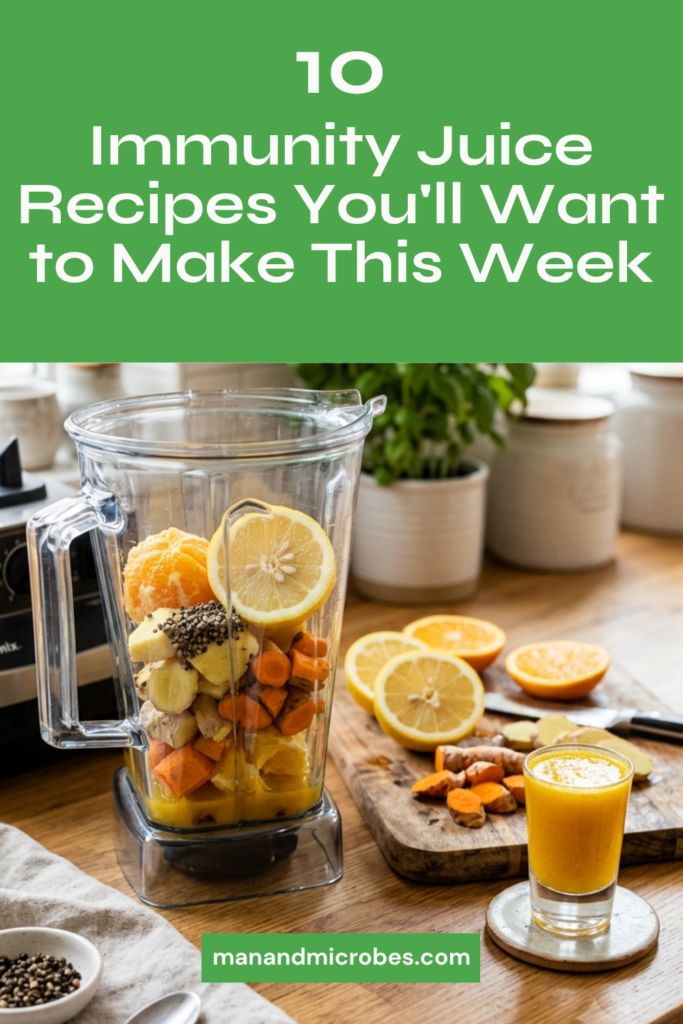
Boost your immune system quickly with Immunity-Boosting Ginger Shots. Simply blend or juice 1/2 pound of fresh ginger, 2 fresh turmeric roots, 2 lemons, and 2 oranges. Strain the mixture through a cheesecloth, stir in a pinch of black pepper, and store in a glass jar in the fridge. [1, 2, 3]
How to make the diverse range of immune-boosting concoctions below.
1. Immunity Shot Recipe
A fiery and concentrated daily tonic. [1]
- Ingredients: 1 cup fresh ginger, 2 lemons, 1 tbsp raw honey, dash of cayenne pepper.
- Method: Juice the ginger and lemons. Stir in the honey and cayenne pepper. Pour into 2 oz shot glasses and take one every morning. [1, 2, 3, 4, 5]
2. Immunity Booster Drink
A soothing, warm daily remedy.
- Ingredients: 2 cups water, 1-inch fresh ginger (grated), 1/2 lemon, 1 tbsp raw honey.
- Method: Boil water with grated ginger for 5 minutes. Strain, add lemon juice and honey, and sip warm. [1]
3. Immunity Juice Recipes
A nutrient-dense, fruity daily juice. [1, 2]
- Ingredients: 2 oranges, 1 cup pineapple chunks, 1/2 lemon, 1-inch ginger root, 1-inch turmeric root.
- Method: Peel the oranges and ginger, chop the pineapple, and blend all ingredients with a splash of water until completely smooth. Strain if preferred and serve over ice. [1, 3, 4, 5]
4. Immunity Ginger Shot Recipe
A sharp, concentrated dose of anti-inflammatory goodness. [, 2, 3]
- Ingredients: 300g fresh ginger, 2 oranges, 1 lemon.
- Method: Juice the peeled ginger, oranges, and lemon. Pour the liquid into ice cube trays to freeze. Drop one cube into warm water daily to melt, and add a pinch of cayenne for extra circulation. [1]
5. Immunity Wellness Shot Recipe
An earthy, antioxidant-packed vitamin bomb.
- Ingredients: 4 carrots, 2 thumbs of ginger, 5 thumbs of turmeric, 2 lemons, 1/2 tsp black pepper, 1.5 cups water.
- Method: Blend all ingredients together, pass through a fine sieve or juicer, and store in the fridge. [1]
6. Immunity Elixir Recipe
A thick, potent daily tonic rich in Vitamin C. []
- Ingredients: 1 large pineapple, 1 large lemon, 4 fingers of ginger root, 2-3 fingers of turmeric root, black pepper.
- Method: Roughly chop the ingredients, run them through a juicer, and finish with a pinch of freshly ground black pepper (which aids in turmeric absorption). [1, 3]
7. Immunity Tonic
A hydrating blend of citrus and herbs.
- Ingredients: Juice of 2 lemons, a 2-inch piece of ginger (grated), 2 sprigs of fresh rosemary, 1 sprig of fresh thyme.
- Method: Juice the ginger and lemons along with the herbs in a masticating juicer. Bottle and drink chilled. [1, 2, 3, 4]
8. Immunity Mocktail
A sparkling, refreshing, alcohol-free beverage.
- Ingredients: 2 oz of your immunity ginger shot (from recipe #4), 4 oz sparkling water, 1 tsp honey, a sprig of mint.
- Method: Stir the immunity shot and honey together in a glass, add ice, top with sparkling water, and garnish with mint. [1, 2, 3, 4]
9. Immunity Water
A subtle, hydrating way to get vitamins and antioxidants.
- Ingredients: 1 liter of water, 1/2 cucumber (sliced), 1 lemon (sliced), a few sprigs of fresh mint, 1/2 tsp grated ginger.
- Method: Combine all ingredients in a large pitcher and let it infuse in the refrigerator for at least 2 hours before sipping throughout the day. [1, 2, 3, 4]
10. Immunity Tea Recipe
A comforting warm drink to ward off colds.
- Ingredients: 1 cup hot water, 1 bag green tea, 1 slice of fresh lemon, 1 slice of fresh ginger, 1 tsp honey.
- Method: Steep the green tea bag with the fresh lemon and ginger for 3-5 minutes, remove the bag, stir in the honey, and drink warm.
11. Immunity Hot Chocolate
A cozy, immune-boosting twist on a favorite.
- Ingredients: 1 cup milk (or plant-based milk), 1 tbsp raw cacao powder, 1/4 tsp ground turmeric, 1/4 tsp ground cinnamon, a pinch of black pepper, 1 tsp maple syrup.
- Method: Warm the milk in a saucepan, whisk in the cacao, turmeric, cinnamon, and black pepper, sweeten with maple syrup, and enjoy hot. [, 2, 3]
12. Immunity Loaded Tea
An energizing, nutrient-packed refreshment inspired by loaded teas.
- Ingredients: 1 cup brewed and chilled green tea, 1/4 tsp Vitamin C powder, 1/2 tsp ginger juice, a squeeze of lemon, a few drops of liquid stevia to taste.
- Method: Mix the brewed green tea, Vitamin C powder, ginger juice, and lemon juice in a shaker with ice. Shake well and serve.
13. Immunity Fizz
A fizzy, fermented drink promoting gut health. [1]
- Ingredients: 4 oz unflavored kombucha, 2 oz orange or lemon juice, 1/2 tsp turmeric powder, 1/2 tsp grated ginger.
- Method: Mix the fruit juice, turmeric, and ginger in a glass. Stir well, top with kombucha, and enjoy the active fizz. [1, 2]
14. Immunity Energy Shots
A fast-acting, spicy, and caffeinated morning booster. [1, 2, 3]
- Ingredients: 1/2 cup fresh brewed green tea, 1 oz ginger juice, 1 oz lemon juice, 1/4 tsp maca root powder, 1 tsp honey.
- Method: Whisk the cooled green tea, ginger juice, lemon juice, maca powder, and honey together until smooth. Drink immediately as a shot. [1]
Popular Ingredients in Immunity Drinks
These ingredients appear most often because they provide vitamins, antioxidants, or compounds with anti-inflammatory properties. You can pick one or combine several to make a drink that fits your taste and needs.
Ginger and Turmeric
Ginger and turmeric both reduce inflammation and add strong flavor. Ginger offers gingerol, which can ease nausea and soothe digestion. Turmeric contains curcumin, a compound that has been studied for its anti-inflammatory effects.
You should pair turmeric with a pinch of black pepper to help your body absorb curcumin better. Use fresh grated ginger or turmeric root for brighter flavor, or use a measured teaspoon of powdered spice when making shots.
Practical tips:
- Use about 1 inch fresh ginger or 1/2–1 tsp powdered per shot.
- Use 1/2–1 tsp fresh grated turmeric or 1/4–1/2 tsp powdered per shot.
- Add a squeeze of lemon and a pinch of black pepper for taste and absorption.
Elderberry and Echinacea
Elderberry and echinacea are popular for short-term immune support, especially during cold season. Elderberry syrups and extracts provide anthocyanins, antioxidants that give berries their dark color. Echinacea products—teas and tinctures—are used to support immune response in the early days of symptoms.
You should follow label dosing for concentrated extracts. Elderberry is usually taken as a syrup or lozenge, while echinacea comes as tea, capsules, or tinctures.
Practical tips:
- For elderberry syrup, follow product directions or homemade recipes that cook berries to remove raw compounds.
- Start echinacea at first sign of symptoms and limit use to a few days, per product guidance.
- Check for interactions if you take immune-modulating medicines or have autoimmune conditions.
Citrus Fruits and Vitamin C
Citrus fruits supply vitamin C, which supports several immune functions and helps your body absorb iron. Oranges, lemons, limes, and grapefruits give a fresh, tangy base for drinks and shots. Fresh juice contains vitamin C and flavonoids; store-bought juice may have added sugar and less vitamin content.
Aim for whole-fruit or freshly squeezed juice when possible. Combine citrus with herbs like mint or basil for flavor without added sugar.
Practical tips:
- One small orange yields about 50–70 mg vitamin C; adults commonly target 75–90 mg daily.
- Add citrus peel or zest for extra flavor and oils.
- Avoid large amounts of store-bought sugary juice; dilute with water if needed.
Types of Immunity Shots
You’ll find immunity shots made from concentrated juices, tangy vinegar blends, and strong herbal extracts. Each type delivers different nutrients and flavors, so pick what fits your taste and goals.
Cold-Pressed Juice Shots
Cold-pressed shots use slow, high-pressure extraction to keep vitamins and enzymes intact. Typical ingredients include orange, lemon, ginger, turmeric, and carrot. These shots give you quick vitamin C, beta-carotene, and anti-inflammatory compounds in a small 1–2 oz dose.
You can expect a bright citrus taste often balanced by spicy ginger or earthy turmeric. Drink them fresh or keep refrigerated up to 48–72 hours for best nutrient retention. Look for shots labeled “cold-pressed” or ask juice bars about their process.
Nutrition to check: vitamin C content, added sugar, and presence of whole-ingredient extracts rather than synthetic additives. If you have acid reflux or a sensitive stomach, start with smaller amounts because strong citrus and ginger can irritate.
Apple Cider Vinegar Blends
Apple cider vinegar (ACV) shots pair vinegar with honey, lemon, or ginger for a tangy, sharp drink. ACV contains acetic acid and may help with digestion and blood sugar regulation, though it’s not a cure for illness. You’ll often see ingredients like turmeric or cayenne added for extra anti-inflammatory effect.
Take ACV blends diluted — typically 1–2 tablespoons in a small shot with water or juice — to protect your teeth and stomach lining. Avoid straight vinegar shots and use a straw if you’re worried about enamel erosion.
Check labels for added sugars or artificial flavors. If you take diabetes or heart medications, ask your clinician before using ACV shots daily because vinegar can interact with some drugs.
Herbal Concentrates
Herbal concentrate shots focus on extracts such as elderberry, echinacea, and concentrated ginger or turmeric. These are often alcohol-free liquid extracts or glycerin-based formulas. Elderberry is commonly used for viral support, while echinacea aims to stimulate immune cell activity.
Dosage varies by herb and product, so follow label guidance. Look for standardized extracts that list active compound amounts (for example, sambunigrin in elderberry). If you have autoimmune conditions or take immune-modulating drugs, consult your clinician before using herbal concentrates.
Watch for allergies and quality markers like third-party testing or clear ingredient sourcing. Herbal shots can be more potent, so start with lower amounts to assess tolerance.
Daily Consumption Strategies
Follow clear steps for when and how much to drink, how often to use shots versus whole foods, and how to fit them into daily habits for consistent benefits.
Optimal Timing and Dosage
Take small immunity shots (15–60 ml) once daily, preferably in the morning with or after breakfast to aid absorption and reduce stomach upset. For vitamin C–based shots, 250–500 mg per serving is common; avoid exceeding your daily vitamin C tolerance if you also take supplements. Turmeric or ginger shots can be strong—start with 15–30 ml and increase gradually if you tolerate the spice.
If you use probiotic or fermented drinks, drink them with a meal to protect microbes from stomach acid. Keep track of how you feel for a week after starting a new shot to check for sensitivity or digestive changes.
Balancing Frequency With Diet
Use shots as a supplement, not a replacement for whole fruits and vegetables. If you already eat 3–5 servings of produce daily, limit concentrated shots to once daily or a few times per week. Rely on smoothies or whole-food drinks when you need extra calories and fiber.
If your diet lacks fresh produce, you can use a daily shot alongside a fruit or vegetable snack. Watch overall sugar and sodium in commercial drinks; choose low-sugar options and read labels to avoid exceeding daily limits.
Integrating Shots Into Routines
Keep a small bottle in the fridge or a single-dose pack in your bag to make daily use easy. Pair the shot with an existing habit—pour it after brewing coffee or right before leaving the house—to build consistency.
Plan for weeks when you travel or are busy: pack single-serve shots or carry powdered mixes that only need water. Set a 7–14 day trial period to see benefits and side effects, and consult your clinician if you have chronic conditions or take blood thinners before starting turmeric- or ginger-heavy formulations.
Comparing Store-Bought and Homemade Options
You can choose ready-made shots for ease or make your own to control ingredients, cost, and freshness. Each option has trade-offs in safety, taste, and daily use that matter for your routine.
Safety and Freshness Considerations
Store-bought shots often use preservatives and pasteurization to extend shelf life. That reduces microbial risk but can lower levels of heat-sensitive compounds like vitamin C. Check labels for pasteurization, added sugars, and preservatives so you know what you drink.
When you make shots at home, freshness is an advantage. Fresh ginger, turmeric, citrus, or berries give higher enzyme and nutrient content if you consume them within a few days. Still, home-prepared liquids can spoil quickly. Keep them refrigerated in airtight containers and use within 3–5 days, or freeze 2-ounce portions to preserve quality.
If you have immune suppression, pregnancy, or a health condition, consult your clinician before using concentrated botanical ingredients. Some herbs and high-dose compounds interact with medications. Always follow storage and handling guidance to reduce risk of contamination.
Customizing Ingredients
Store-bought products provide consistent flavor and known ingredient lists, which helps if you want predictable dosing. Look for brands that list exact amounts of active ingredients and avoid those with unclear labels or many added sweeteners.
Making your own shots lets you pick ingredient strength and combinations. You can adjust ginger heat, turmeric quantity, or add vitamin C–rich citrus to match taste and tolerance. You also control sweeteners — use a little fruit or honey instead of cane sugar.
You can experiment with simple recipes: for example, blend 2 inches of ginger, one orange, and 1 tsp turmeric for a single serving. Track how your body reacts and reduce or stop any ingredient that causes GI upset, heartburn, or allergic signs.
Cost and Convenience Analysis
Store-bought shots cost about $3–$6 each from juice bars or retailers. That adds up quickly if you take daily servings. They save time because you grab and go, which fits busy schedules or travel.
Homemade shots cost roughly $0.50–$1.50 per serving, depending on ingredients. Buying ginger, turmeric, and citrus in bulk lowers per-shot cost. You’ll spend time prepping, juicing, and washing equipment, but you can batch 8–12 servings at once and freeze extras in ice-cube trays for quick thawing.
Factor in waste and storage: unopened store shots keep weeks to months, while homemade batches need prompt use or freezing. Choose based on how much time you have, your budget, and whether ingredient control or convenience matters more to you.
Potential Side Effects and Precautions
Some ingredients in immunity shots and drinks can cause reactions or reduce the effect of medicines. Pay attention to dose, timing, and any allergies before you start regular use.
Interactions With Medications
Certain common ingredients can change how drugs work. For example, turmeric/curcumin may increase bleeding risk if you take blood thinners like warfarin or apixaban. It can also affect drugs broken down by the liver (CYP enzymes). Ginger can thin the blood and interact with anticoagulants or antiplatelet drugs. Elderberry may alter immune-targeting medications, although evidence is limited.
Tell your clinician about any regular shots or herbal drinks. Stop the drink and call your provider if you notice unusual bruising, extra bleeding, dizziness, or changes in how your prescription works. If you take chemotherapy, immune-suppressing drugs, or anticoagulants, get medical approval before using concentrated immunity shots.
Allergic Reactions
You can have an allergic reaction to whole foods or additives in shots. Common triggers include citrus, bee products (honey, propolis), ginger, and pineapple. Reactions can range from mild hives and itching to severe breathing difficulty and anaphylaxis.
Check labels for hidden ingredients and cross-contamination warnings. If you have a known food allergy, test a small amount first and wait several hours. Seek emergency care for throat tightness, wheezing, swelling of the face or tongue, or fainting. Carry an epinephrine auto-injector if you have a history of anaphylaxis.
Appropriate Use for Children and Adults
Dosage and safety differ by age. Children should avoid concentrated shots designed for adults. High doses of vitamins or herbs can harm infants and young children. For example, large doses of vitamin A or concentrated herbal extracts may cause toxicity or stomach upset.
For adults, limit potent shots to small amounts (1–2 ounces) and avoid daily high doses of single herbs or vitamins unless advised by a clinician. Pregnant and breastfeeding people should consult a provider; some herbs (like high-dose ginger or unknown herbal blends) may not be safe. Follow age- and weight-based dosing, and prefer whole-food sources or diluted beverages for children.
Lifestyle Habits to Complement Immune Drinks
Good sleep, regular movement, steady hydration, and balanced meals make immunity drinks work better. Focus on practical, daily actions that support vitamin absorption, reduce inflammation, and keep your body resilient.
Role of Sleep and Stress Management
Aim for 7–9 hours of sleep nightly to support white blood cell function and vaccine response. Keep a regular sleep schedule: same bedtime and wake time, even on weekends. Dim screens 60 minutes before bed and use low-light lamps to help melatonin release.
Manage stress with short, proven practices. Try 10 minutes of deep breathing twice a day, or a 15-minute walk after work to lower cortisol. Use a simple journal to note one small win each evening; this reduces rumination and improves sleep quality. If stress feels chronic, talk with a clinician or counselor for structured help.
Physical Activity and Hydration
Do at least 150 minutes of moderate exercise per week, such as brisk walking, cycling, or swimming. Break this into 30-minute sessions five days a week to boost circulation and immune surveillance. Include two strength sessions weekly to support muscle and metabolic health.
Hydrate consistently: aim for 2–3 liters of water daily, more if you exercise or live in heat. Drink a glass of water before immune shots to aid digestion. Use an electrolyte mix after intense workouts to replace salts and support immune cell function.
Balanced Diet and Nutrition
Make half your plate vegetables and include a variety of colors to cover vitamins A, C, and K. Eat fatty fish twice weekly or take a vitamin D3 supplement if levels are low; vitamin D affects immune signaling.
Include fermented foods like yogurt, kefir, or sauerkraut three times a week for gut bacteria that help immune balance. Limit added sugars and highly processed foods, which promote inflammation. Consider a daily multivitamin if your diet lacks fruits, greens, or regular protein sources; get blood-tested before starting high-dose supplements.