
You can strengthen your defenses by choosing meals, soups, and snacks that supply vitamins, minerals, and other nutrients your immune system needs. Eating a mix of fruits, vegetables, whole grains, lean proteins, and fermented foods helps support immune function and keeps you energized.
This article guides you through simple, tasty options—from warming soups and hearty bowls to quick snacks and beverages—so you can pick foods that fit your tastes and routine. Use the ideas here to build balanced meals that support your health day to day.
1) Chicken and vegetable immune-boosting soup (vitamin C-rich)
You can make a simple, nourishing soup with chicken, a mix of colorful vegetables, and a clear broth. This combination gives you protein, zinc from the chicken, and vitamin C from vegetables like bell peppers, kale, and tomatoes.
Cook the chicken until tender and shred it, then add chopped carrots, celery, onion, and garlic for flavor and nutrients. Toss in vitamin C-rich greens near the end so they stay bright and retain nutrients.
Season with a little turmeric or ginger for gentle anti-inflammatory support and add salt and pepper to taste. You can use bone broth for extra minerals, but plain chicken stock works well too.
This soup is easy to reheat and can be made ahead for busy days. Serve it warm to soothe you and provide light, nutrient-dense nourishment when you need it.
2) Citrus and ginger smoothie with Greek yogurt
You can make a quick, nutrient-packed smoothie using citrus fruits, fresh ginger, and Greek yogurt. Citrus fruits provide vitamin C, which supports immune cell function, while ginger adds anti-inflammatory compounds and a warming flavor.
Use plain Greek yogurt for protein and a creamy texture. Protein helps repair tissues and prolongs fullness, so the smoothie works as a snack or light meal.
Keep the recipe simple: orange or grapefruit segments, a splash of lemon, peeled ginger, Greek yogurt, and a little water or green tea to blend. Adjust sweetness with honey if needed.
Chill your ingredients before blending for a cold, refreshing drink. You may add frozen mango or pineapple for extra vitamin C and a smoother consistency.
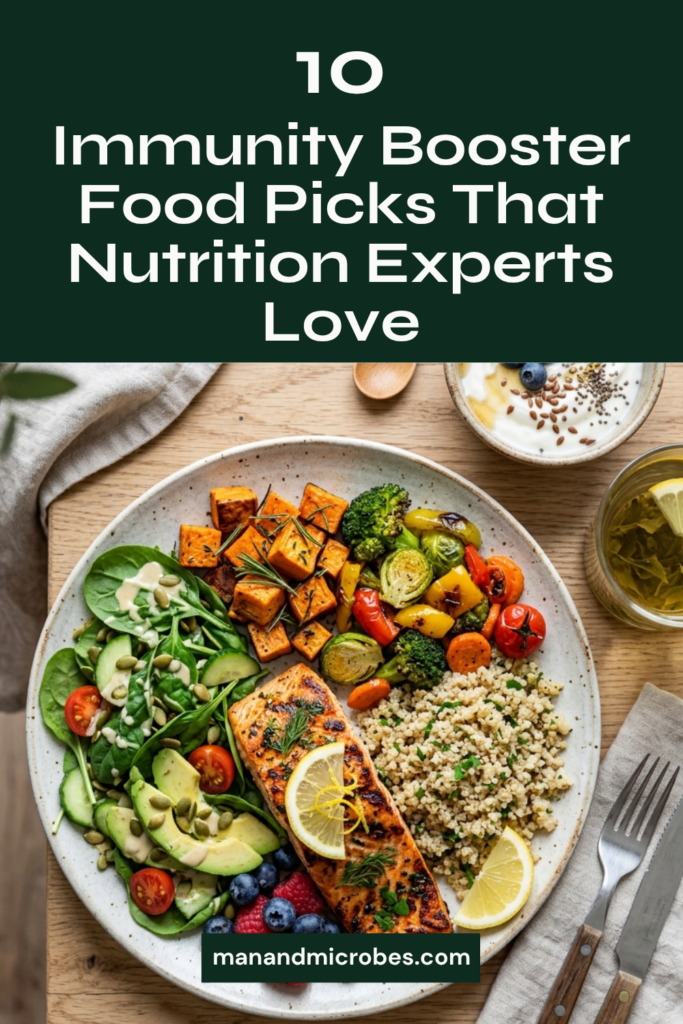
3) Salmon and spinach salad with pumpkin seeds
You get a strong mix of nutrients when you combine salmon, spinach, and pumpkin seeds. Salmon provides omega-3 fats and protein that support cell function, while spinach supplies vitamins A, C, and K and folate.
Pumpkin seeds add zinc and magnesium, which help with immune cell activity and recovery. The seeds also give the salad a crunchy, satisfying texture that contrasts with the tender fish and leafy greens.
Dress the salad lightly with olive oil and lemon to add vitamin C and healthy monounsaturated fat for better nutrient absorption. You can use baked, grilled, or poached salmon; choose a method you prefer and keep the fish moist and flaky.
For a quick meal, toss baby spinach, flaked salmon, a handful of pumpkin seeds, and a few cherry tomatoes. This salad works as a lunch or light dinner and stores well for one day in the fridge.
4) Roasted red pepper and tomato bisque (vitamin A and C)
You get a strong dose of vitamin C and vitamin A from a roasted red pepper and tomato bisque. These nutrients support immune cell function and help protect tissues from damage.
A simple bisque blends roasted red peppers, ripe tomatoes, and a light broth or stock. You can add a small amount of olive oil or plain yogurt for creaminess without heavy saturated fat.
Serve the bisque warm to help soothe when you feel under the weather. Pair it with whole-grain toast or a protein-rich topping like shredded chicken or beans to make the meal more balanced.
If you need lower sodium, use low-sodium broth and limit added salt. Roasting the vegetables boosts flavor so you use less salt or cream while keeping the soup satisfying.
5) Miso soup with tofu, seaweed, and shiitake mushrooms
You can boost your immune support with a warm bowl of miso soup that combines miso paste, soft tofu, wakame seaweed, and shiitake mushrooms. The broth delivers gentle umami and hydration, while miso provides probiotics if not overheated.
Tofu adds plant-based protein and is easy to digest, making the soup a light but nourishing option. Wakame and shiitake supply minerals like iodine and small amounts of vitamin D precursors, which support normal immune function.
Prepare the broth gently: dissolve miso in warm (not boiling) dashi or vegetable stock to preserve beneficial microbes. Add sliced shiitake and simmer briefly, then stir in tofu and rehydrated seaweed just before serving.
Season simply with green onion or a drop of sesame oil for flavor without overwhelming the soup. You can enjoy this as a starter, a light meal, or a soothing snack when you need something restorative.
6) Oatmeal with almonds, blueberries, and flaxseed
You get a simple, nutrient-dense breakfast when you combine oats with almonds, blueberries, and flaxseed. Oats provide slow-release energy and soluble fiber that supports gut health, which links to immune function.
Blueberries add vitamin C and antioxidants to help protect cells from damage. Almonds contribute vitamin E and healthy fats that support cell membranes and overall immune response.
Ground flaxseed supplies omega-3s and additional fiber to reduce inflammation and keep you full. Sprinkle one to two tablespoons into cooked oats or overnight oats for a mild nutty flavor.
Prepare this bowl with milk or a fortified plant milk to add vitamin D and extra protein. A dash of cinnamon or a small drizzle of honey improves taste without heavy sugar, so the meal stays balanced and nourishing.
7) Turmeric and lentil dhal with garlic and lemon
You can make a simple, warming dhal using red or yellow lentils, fresh turmeric or ground powder, garlic, and lemon. The lentils supply protein and fiber, while turmeric and garlic add mild anti-inflammatory and antimicrobial qualities.
Cook the lentils until soft, then stir in sautéed garlic and turmeric for flavor. Finish with lemon juice to brighten the dish and help iron absorption from the lentils.
Serve the dhal with whole-grain bread or brown rice for a balanced meal. You can also add chopped greens like spinach for extra vitamins and a fresher texture.
This dish works well as a soup or thick stew, and it stores nicely for several days in the fridge. Reheat gently to preserve flavor and nutrients.
8) Plain probiotic yogurt with honey and fresh berries
You can boost your immune support by starting with plain probiotic yogurt. It delivers live cultures that help maintain a healthy gut, which plays a role in immune function.
Add fresh berries for vitamin C and antioxidants. Berries also supply fiber, which feeds beneficial gut bacteria and helps digestion.
Drizzle a small amount of honey for flavor and a touch of natural sweetness. Honey can soothe the throat and pairs well with the tang of yogurt and the brightness of berries.
Keep portions moderate: about 3/4 to 1 cup of yogurt, a half cup of berries, and one teaspoon of honey. This makes a balanced snack or light meal rich in protein, vitamins, and probiotics.
9) Roasted Brussels sprouts and sweet potato bowl with walnuts
You get a mix of vitamins, fiber, and healthy fats in this bowl. Roasted Brussels sprouts provide vitamin C and folate, while sweet potatoes add vitamin A and potassium.
The walnuts give omega-3 fat and a crunchy contrast. Their healthy fats may support overall cell function and help your body absorb fat-soluble vitamins.
Roast the vegetables until the edges caramelize for better flavor and texture. Toss with a light dressing of olive oil, lemon, and a pinch of salt to keep the dish bright and simple.
Add a scattering of dried cranberries or a crumble of feta if you want a sweet or tangy touch. Serve warm over a small bed of quinoa or leafy greens to round out the meal and increase protein and mineral content.
10) Green tea and honey immune-supporting beverage
You can make a simple drink by steeping green tea and stirring in a small spoonful of honey. Green tea supplies antioxidants called catechins, which help reduce inflammation and support cell health.
Drinking warm green tea with honey can soothe a sore throat and help keep you hydrated. Honey adds mild antimicrobial properties and improves flavor, so you may drink the tea more often.
Aim for 1–3 cups daily rather than large amounts. Avoid very hot tea and limit added sugar if you monitor calories or blood sugar.
If you take medications or have a health condition, check with your healthcare provider before increasing green tea or honey. Children under one year should not be given honey.
How Nutrition Impacts Immune Function
Good nutrition gives your immune system the tools to spot and fight threats, repair tissue, and lower harmful inflammation. The next parts explain which vitamins and minerals matter most and how your gut health shapes immune defenses.
Role of Micronutrients
Certain vitamins and minerals help your immune cells work and communicate. Vitamin C supports white blood cell function and wound repair; aim for citrus, strawberries, and bell peppers. Vitamin D helps regulate immune responses; get it from sunlight, fortified milk, and fatty fish or consider a supplement if you have low levels. Zinc is critical for cell division and pathogen killing; eat lean meats, beans, nuts, and whole grains. Vitamin A maintains barriers like skin and mucous membranes; include sweet potatoes, carrots, and dark leafy greens. B vitamins, iron, and selenium also support energy for immune cells and antioxidant defenses.
Balance matters: too little of these nutrients weakens your response, while very high doses—especially of single supplements—can cause harm or interfere with other nutrients. Focus on a varied diet to meet needs rather than relying on megadoses.
Digestive Health and Immunity
Your gut houses a large part of your immune system. Beneficial bacteria in the gut train immune cells, block harmful microbes, and break down food into immune-supporting compounds. Eat fiber-rich foods like oats, beans, apples, and vegetables to feed these bacteria. Fermented foods such as yogurt, kefir, sauerkraut, and kimchi can add helpful strains, but choose products with live cultures and low added sugar.
Avoid frequent ultra-processed foods and excessive sugar; they can reduce microbial diversity and promote inflammation. If you use antibiotics, restore gut balance with fiber and fermented foods afterward. Staying hydrated and getting enough sleep also support gut and immune health.
Integrating Immune-Boosting Foods Into Daily Life
Plan meals around fruits, vegetables, lean proteins, whole grains, and fermented foods. Make simple swaps and use batch cooking to save time and keep nutrient-rich options ready.
Tips for Meal Planning
Build a weekly menu that lists breakfasts, lunches, dinners, and two snacks per day. Choose items that repeat in different forms—roasted broccoli and broccoli soup, or citrus fruit and a citrus smoothie—to use ingredients efficiently.
Shop with a short list: leafy greens, bell peppers, citrus, garlic, ginger, yogurt, beans, whole grains, nuts, and frozen berries. Buy frozen vegetables for convenience and longer shelf life.
Cook once, eat twice. Roast a tray of mixed vegetables and a batch of quinoa. Use leftovers in grain bowls, wraps, or soups. Prep dressings and vinaigrettes that contain olive oil and lemon to add vitamin C and healthy fat.
Keep quick options ready: hard‑boiled eggs, yogurt cups with berries and seeds, hummus with carrot sticks, and shelf‑stable canned beans for fast salads or stews.
Common Challenges and Solutions
If you have limited time, schedule two 45‑minute cooking sessions per week. Use an oven sheet to roast proteins and vegetables together to cut cleanup time.
On a tight budget, buy seasonal produce and canned or frozen options. Canned beans, tomatoes, and sardines cost less and still provide zinc, vitamin C precursors, and protein.
If picky eaters resist new foods, introduce one new ingredient per week and serve it alongside a familiar item. Sneak vegetables into smoothies, omelets, or sauces to increase intake without conflict.
When you travel or eat out, choose menu items with vegetables, grilled lean protein, and whole grains. Ask for dressings on the side and swap fries for a side salad or steamed veg.