
Finding the best cream for rosacea can feel overwhelming, since so many products claim to calm redness but few actually deliver. Rosacea skin needs gentle, targeted care, not just another basic moisturizer. In this guide, we review five popular creams, ranked from best to good, so you can choose the right one with confidence.
Rosacea often causes flushing, visible redness, and sensitivity that flares up without warning. Therefore, the ingredients in your cream matter just as much as how it feels on your skin.
Here are the 5 Best Cream for Rosacea According to Dermatologists:
- Suquato 10% Azelaic Acid Cream – Reduces redness, calms inflammation, and improves overall skin tone for rosacea-prone skin.
- Azelaic Acid 10% Cream for Face – Treats redness, blemishes, and uneven skin tone with a lightweight azelaic acid formula.
- Cetaphil Night Cream, Redness-Relieving Night Moisturizer – Calms visible redness and restores moisture overnight for sensitive skin.
- Aveeno Calm + Restore Redness Relief Moisturizing Face Cream – Strengthens the skin barrier and soothes redness with gentle daily hydration.
- Toleriane Double Repair Face Moisturizer – Repairs the skin barrier and calms sensitive skin with ceramides and niacinamide.
How We Chose the Best Cream for Rosacea
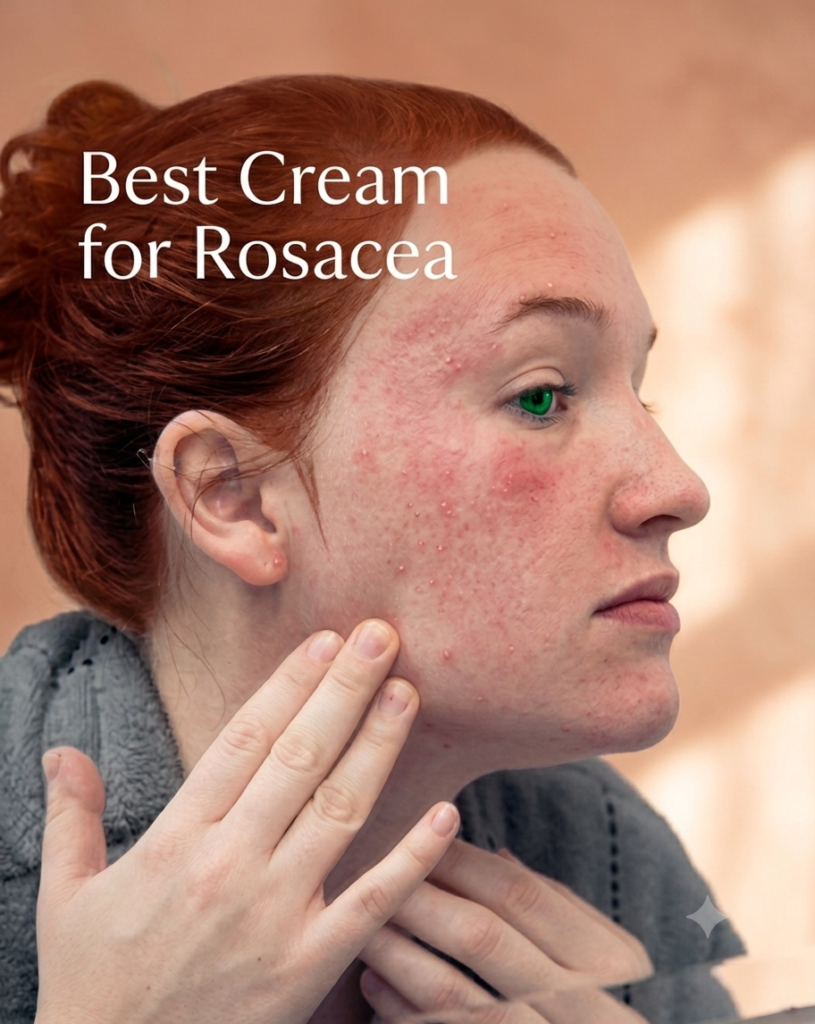
We looked closely at active ingredients, especially azelaic acid, ceramides, and niacinamide, since these are known to calm redness and support the skin barrier. We also checked for fragrance, since scent is a common rosacea trigger. Finally, we read real customer feedback to see how each cream performed on sensitive, reactive skin.
What Makes a Cream Effective for Rosacea-Prone Skin
Not every face cream works well for rosacea. Some ingredients target redness directly, while others simply add moisture without solving the root problem. Here is what matters most when searching for the best cream for rosacea:
- Azelaic acid – This ingredient reduces redness and inflammation, and it also helps with bumps and blemishes.
- Ceramides – These support the skin barrier, which is often weakened in rosacea-prone skin.
- Niacinamide – This calms irritation and helps even out skin tone over time.
- Fragrance-free formulas – Added scent often triggers flare-ups in sensitive skin.
- Lightweight textures – Heavy creams can feel uncomfortable on skin that is already inflamed.
With those points in mind, let’s look at our top five picks.
Our Top 5 Picks for Rosacea Prone Skin, Reviewed
1. Suquato 10% Azelaic Acid Cream – Best Overall

Suquato takes the top spot as the best cream for rosacea on our list. It contains 10% azelaic acid, an ingredient well known for reducing redness, calming blemishes, and supporting overall skin tone. This matters because azelaic acid targets the root causes of rosacea, not just the surface symptoms.
The 30g formula is lightweight and made for daily use, so it fits easily into a morning or evening routine. In addition, it is designed specifically for sensitive skin, which makes it a strong match for anyone dealing with regular redness and irritation.
- 10% azelaic acid → reduces redness and calms blemish-prone skin at a clinically supported strength.
- Lightweight daily formula → absorbs quickly without feeling heavy on sensitive skin.
- Designed for rosacea and redness → directly addresses the biggest concern for reactive skin.
Customer Remark 1, Rachel, 45: “My cheeks used to flush red after just a short walk outside. Since I started using Suquato daily, the redness calms down much faster, and my skin feels smoother overall.”
Customer Remark 2, Peter, 51: “I was hesitant to try azelaic acid since I had heard it could sting. Suquato never irritated my skin, and after a few weeks, my rosacea looked noticeably less angry.”
Overall experience: Because Suquato is formulated with a strong, targeted dose of azelaic acid, it earns the top spot as the best cream for rosacea on this list.
2. Azelaic Acid 10% Cream for Face – Best for Blemish-Prone Rosacea
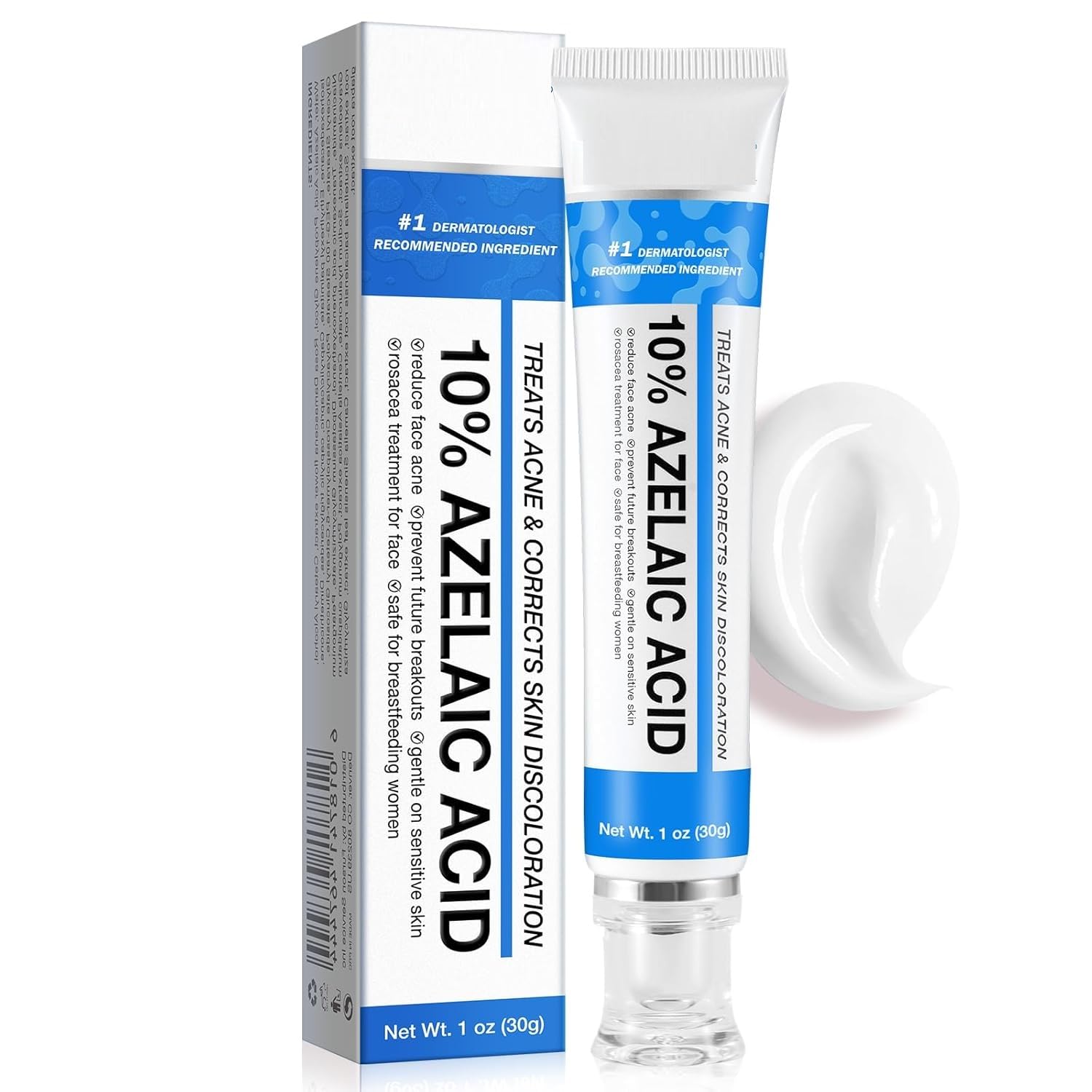
This azelaic acid cream also uses a 10% concentration, making it a close second. It targets acne, rosacea, pigmentation, and redness all in one formula, which makes it especially useful for people managing more than one skin concern at once.
Many people search for the best cream for rosacea that also helps with breakouts, and this product fits that need well, since it addresses blackheads and blemishes alongside redness.
- 10% azelaic acid gel → treats redness, breakouts, and uneven pigmentation together.
- Multi-concern formula → useful for rosacea sufferers who also deal with acne or dark spots.
- Gel-based texture → feels light and absorbs without leaving a greasy residue.
Customer Remark 1, Monica, 38: “I have rosacea and occasional breakouts, which made finding one product difficult. This cream handles both, and my skin tone looks more even than it did a month ago.”
Customer Remark 2, Steven, 42: “I like that this feels more like a gel than a heavy cream. My redness has calmed down, and I have not noticed any new irritation since I started using it.”
Overall experience: This azelaic acid cream offers strong, well-rounded results for rosacea combined with other blemish concerns, placing it firmly in second place.
3. Cetaphil Night Cream, Redness-Relieving Night Moisturizer – Best for Overnight Calming

Cetaphil Night Cream is built specifically for redness-prone skin, and it is hypoallergenic and fragrance-free. While it does not use azelaic acid, its formula focuses on calming visible redness and restoring moisture while you sleep, which makes it a reliable pick for the best cream for rosacea at night.
The lightweight 1.7 fl oz formula absorbs well and leaves skin feeling soft rather than greasy by morning.
- Redness-relieving formula → targets visible flushing directly, rather than general dryness alone.
- Hypoallergenic and fragrance-free → reduces the risk of triggering a flare-up overnight.
- Lightweight, non-greasy texture → hydrates without feeling heavy on reactive skin.
Customer Remark 1, Diane, 56: “My face used to look blotchy every single morning. Cetaphil has helped calm that down significantly, and my skin feels much more comfortable when I wake up.”
Customer Remark 2, Gregory, 49: “I have sensitive skin that reacts to almost everything. Cetaphil has never caused stinging or new redness, even on nights when my rosacea feels more active.”
Overall experience: Cetaphil offers dependable overnight comfort, making it a strong choice for anyone who wants a gentle, redness-focused night cream.
4. Aveeno Calm + Restore Redness Relief Moisturizing Face Cream – Best for Daily Barrier Support

Aveeno Calm + Restore combines ceramides and vitamin B5 to support the skin barrier while calming redness. It is non-comedogenic, hypoallergenic, and fragrance-free, which makes it a solid daily option, especially for rosacea sufferers who also worry about clogged pores.
Meanwhile, its lightweight formula absorbs quickly, so it works well under makeup during the day.
- Ceramide and vitamin B5 formula → strengthens the skin barrier and helps reduce redness over time.
- Non-comedogenic → will not clog pores, which helps prevent new breakouts.
- Fragrance-free → lowers the chance of irritation for reactive, sensitive skin.
Customer Remark 1, Cynthia, 40: “My dermatologist suggested something gentle and fragrance-free. Aveeno has kept my skin calm, and my redness looks less noticeable after a few weeks of daily use.”
Customer Remark 2, Nathan, 47: “This cream feels light enough to wear every day without any greasy feeling. My skin barrier seems stronger, and I have fewer flare-ups than before.”
Overall experience: Aveeno provides solid daily barrier support and redness relief, making it a dependable pick for ongoing rosacea care.
5. Toleriane Double Repair Face Moisturizer – Best for General Sensitive Skin

Toleriane Double Repair rounds out our list. It contains ceramide and niacinamide, and it is designed for all skin types rather than rosacea specifically. This makes it a gentle, well-tolerated option, though it ranks fifth here since it is not formulated with redness as its main focus.
However, its simple, calming ingredients still make it a safe everyday moisturizer for sensitive skin that needs extra support.
- Ceramide and niacinamide blend → helps repair the skin barrier and calm mild irritation.
- Formulated for all skin types → offers a gentle option for those newer to rosacea-specific skincare.
- Simple, minimal formula → reduces the risk of triggering sensitive skin.
Customer Remark 1, Barbara, 62: “This cream is gentle and simple, which I appreciate. It has not fully solved my redness, but my skin feels calmer and more balanced overall.”
Customer Remark 2, Edward, 53: “I use this as a light everyday moisturizer. It works well alongside my other rosacea treatments, though on its own it is fairly basic.”
Overall experience: Toleriane works well as a gentle, general moisturizer, but it is better suited as a supporting product rather than a targeted rosacea treatment.
Best Cream for Rosacea: Ingredients That Actually Help
When comparing the best cream for rosacea, azelaic acid stood out as the most effective ingredient for reducing redness at its source. Both Suquato and the Azelaic Acid 10% Cream delivered strong, noticeable results because of this active ingredient.
Meanwhile, ceramide-based creams like Cetaphil and Aveeno worked well for calming and protecting the skin barrier, even without azelaic acid. Finally, general moisturizers like Toleriane can support a routine, but they work best alongside a more targeted treatment.
How to Build a Rosacea-Friendly Skincare Routine
Choosing one good cream is a great start, but building a full routine helps control rosacea more consistently.
- Use a gentle, fragrance-free cleanser before applying any treatment cream.
- Apply azelaic acid or redness-relieving creams to clean, dry skin.
- Always follow with a broad-spectrum sunscreen during the day, since sun exposure often worsens rosacea.
- Introduce new products slowly, especially active ingredients like azelaic acid.
- Avoid combining too many active ingredients at once, since this can overwhelm sensitive skin.
If your redness does not improve or it becomes more painful, consult a dermatologist. A professional can recommend prescription options if over-the-counter creams are not enough.
Final Verdict: Best Cream for Rosacea
After comparing ingredients, textures, and real customer experiences, Suquato 10% Azelaic Acid Cream stands out as the best cream for rosacea on this list. Its targeted, clinically supported formula addresses redness directly, making it a strong first choice for rosacea-prone skin.
The Azelaic Acid 10% Cream for Face follows closely, especially for those managing both redness and breakouts. Cetaphil and Aveeno offer excellent daily and nightly barrier support, while Toleriane rounds out the list as a gentle, general option for sensitive skin.
In conclusion, the right cream depends on your specific concerns. If reducing redness is your top priority, choose an azelaic acid formula like Suquato. If you want gentle daily support, Cetaphil or Aveeno may suit you better. Either way, calmer, more comfortable skin is achievable with consistent, targeted care.
This article is for informational purposes only and does not replace advice from a licensed dermatologist. Always patch test new products and consult a professional before starting a new skincare routine, especially if you have a diagnosed skin condition.